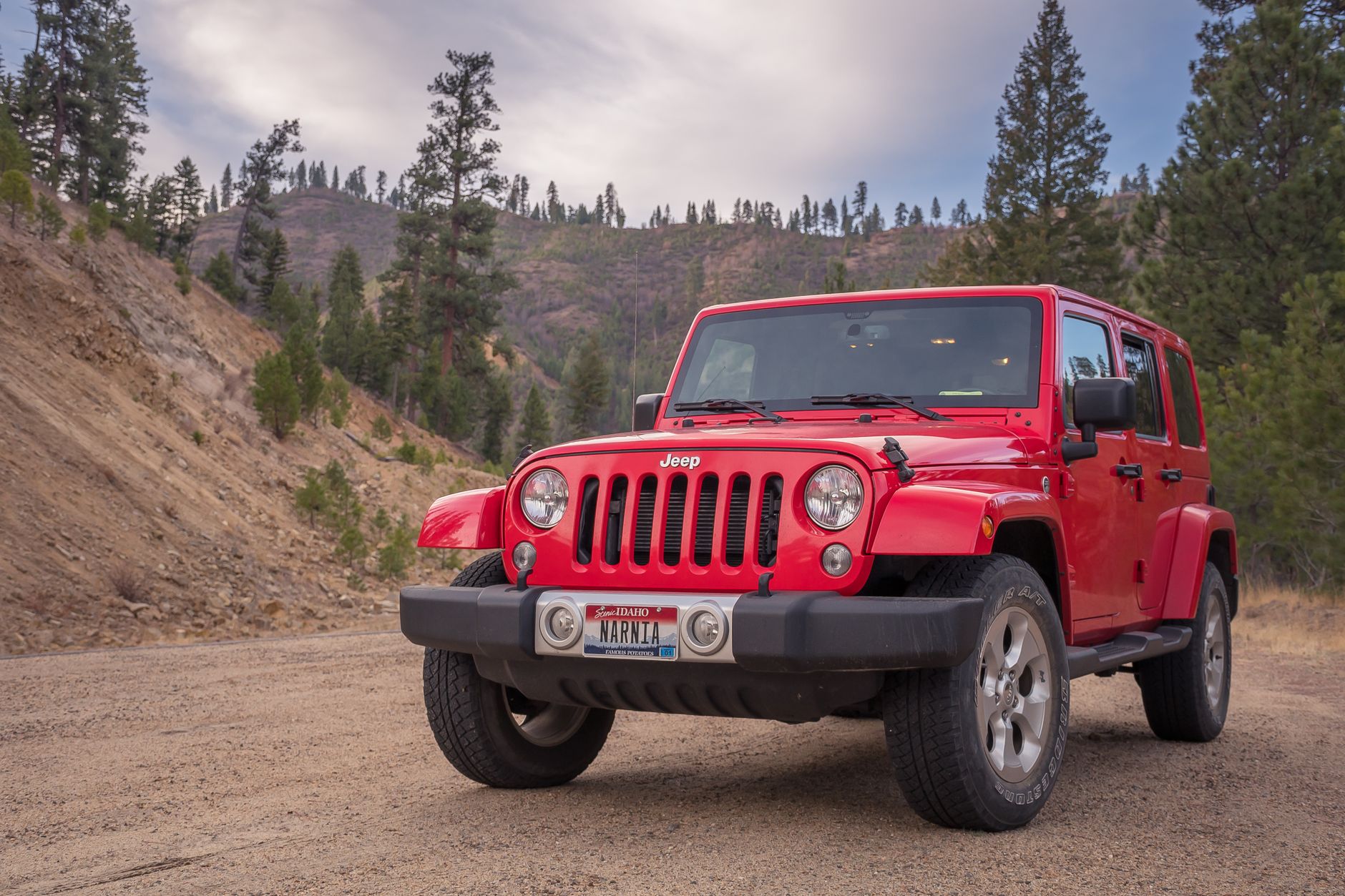
America faces a quirky electric vehicle that looks like a shrunk-down Jeep and can park itself. The latest entrant in the growing market for microcars is Chip, a Miami-based startup’s open-air EV that challenges traditional notions of American transportation.
A boxy new contender on the road
Chip Motors calls its creation a “life utility vehicle,” or LUV. The company describes the vehicle as a boxy, open-air electric car that defies easy categorization. It sits in a niche similar to neighborhood electric vehicles, or NEVs, but with distinct styling and technology.
Chip’s top speed is limited to 25 mph, which restricts its legal operation to roads with speed limits of 35 mph or lower. This limitation makes the vehicle suitable for short local trips, such as running errands or picking up children from school. The design includes a roll bar and a flat battery pack running along the floor to protect occupants.
Hardware specs and pricing
The vehicle runs on in-wheel motors and uses a 15 kWh lithium iron phosphate battery. Owners can recharge the car overnight using a standard 110-volt household outlet or in about four hours with a Level 2/240-volt charger via a NACS charge port. The filing notes that these charge times are illustrative and pending final specs.
Related: Google outmaneuvers Apple on AI rules
Chip comes in four- and six-seat configurations, with the former starting at $15,000 and the latter at $18,000. The company is currently accepting reservations for $250, with deliveries expected to begin in 2027.
Jameson Detweiler, the company’s CEO, acknowledges that microcars have struggled in the US but points to the steady growth of golf cart sales since the pandemic. He argues that Chip is more than a “gussied up golf cart” and aims to capture the freedom of scooters and bicycles while removing the “mental overhead” of owning a traditional automobile.
The promise of autonomous driving
One of the most distinct features of the Chip EV is its self-parking capability. The vehicle uses teleoperation for this function, with plans to eventually achieve Level 4 fully autonomous driving. Detweiler believes that teleoperation is easier to implement at low speeds compared to highway driving.
The pitch for this feature is that owners can summon the car with a tap of an app or a verbal command. They can also instruct it to park itself or run errands remotely. Detweiler said the company intends to take legal responsibility for the vehicle while it is being remotely operated.
Related: Asus ROG Flow Z13 Gaming Tablet Hits $2100
Detweiler describes a system where Chip connects to a family’s group chat and calendar to proactively remind owners about schedules. The vehicle even has an LED screen on the front bumper that acts as a digital face, responding to verbal commands.
Designed for the US market
While vehicles like the Nissan Versa or Mini Cooper exist for American drivers, Detweiler argues they aren’t always designed to coexist safely with large pickup trucks and SUVs. Chip is engineered specifically for these conditions. The company’s research suggests the microcar segment has grown roughly 50 percent annually since 2021.
Detweiler believes this combination of lower cost of ownership and autonomous features could make it a better choice for consumers.
The company is looking into weatherproofed vehicles for colder climates and more highway-capable versions for the future. Detweiler predicts that while getting to 60 mph might take a few minutes, the vehicle will be highly capable in autonomy and everyday usability.
