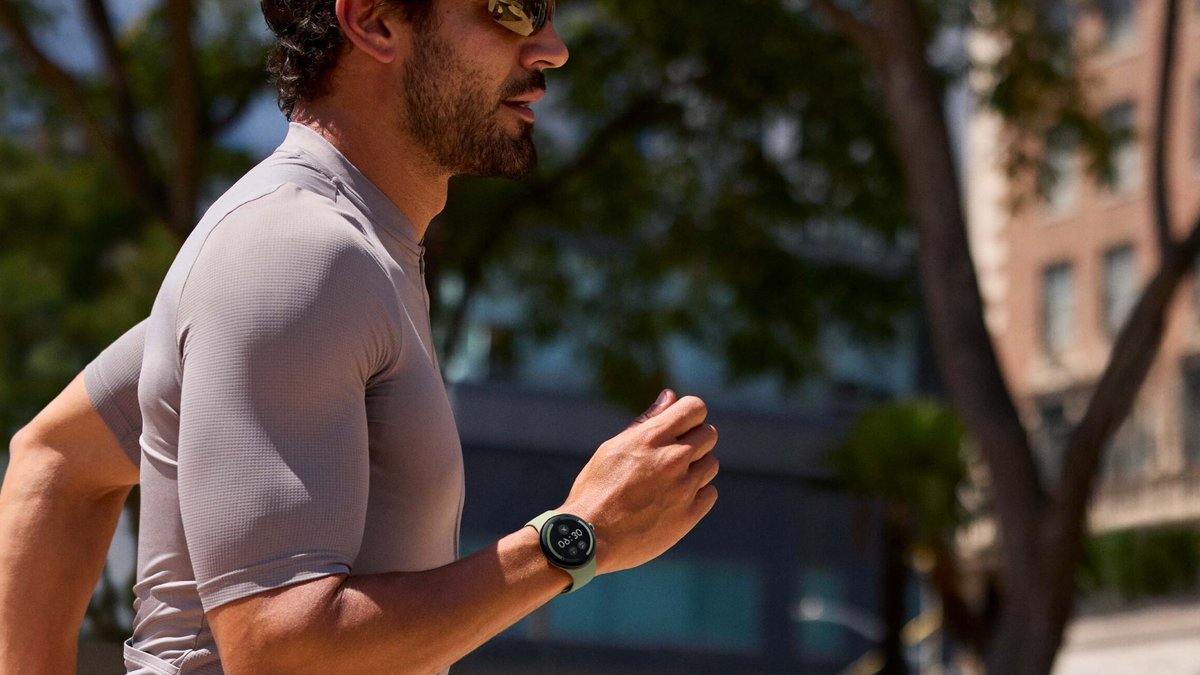
The Google Pixel Watch 5 is now shipping with a newer, carcinogen-free band, according to the report. The search giant’s new smartwatch ships with a “second-gen” Active Band, which doesn’t include carcinogenic materials used in many other smartwatch bands. These materials, called fluoroelastomers, contain high levels of “forever chemicals” called per- and polyfluoroalkyl substances (PFAS), which were first detected in a 2024 study conducted at the University of Notre Dame.
This study also noted that the chemicals were leaching out of the band under simulated sweat and skin conditions. The 2024 study warned that the PFAS chemicals in these watch straps can leach into the wearer’s skin.
New Band Material
The second generation of the Active Band uses HNBR, short for Hydrogenated Nitrile Butadiene Rubber, a medical-grade, safe compound used in many products like food-contact materials and wearables, like Samsung’s Galaxy Watch band. HNBR is widely known as being both biocompatible and skin-safe.
Unfortunately, even trace amounts of PFAS can cause long-term damage to the body, such as altered immune and thyroid function, liver and kidney disease, lipid and insulin dysregulation, adverse reproductive and developmental outcomes, and certain types of cancer.
Other Smartwatch Bands
There are still certain types of sport bands that contain fluoroelastomers, including Google’s first-gen active band, Apple’s Sport, Ocean, and Solo Loop bands, most Withings watch bands, and the OnePlus strap for the Watch 2 and 3.
Related: One Third of Canadian Workers Use Generative AI
Google has made the transition to HNBR, which is a positive step, and it’s likely that other tech companies will follow suit.
In the context of the broader smartwatch market, this move by Google highlights the importance of considering the materials used in wearable devices. As consumers become more aware of the potential risks associated with certain materials, companies will need to adapt to meet these concerns.
Impact of PFAS
The 2024 study didn’t look at the long-term effects of wearing the watch bands, but it did raise concerns surrounding daily wear — especially as these bands come with devices that include fitness features and are often intended to be worn during exercise.
For now, the Google Pixel Watch 5’s new band is a welcome change, and it’s a positive sign for consumers who are concerned about the safety of their wearable devices. Google’s decision to use HNBR in their new smartwatch band is a step in the right direction. MobileSyrup may earn a commission from purchases made via our links, which helps fund the journalism we provide free on our website. These links do not influence our editorial content. Support us here.
