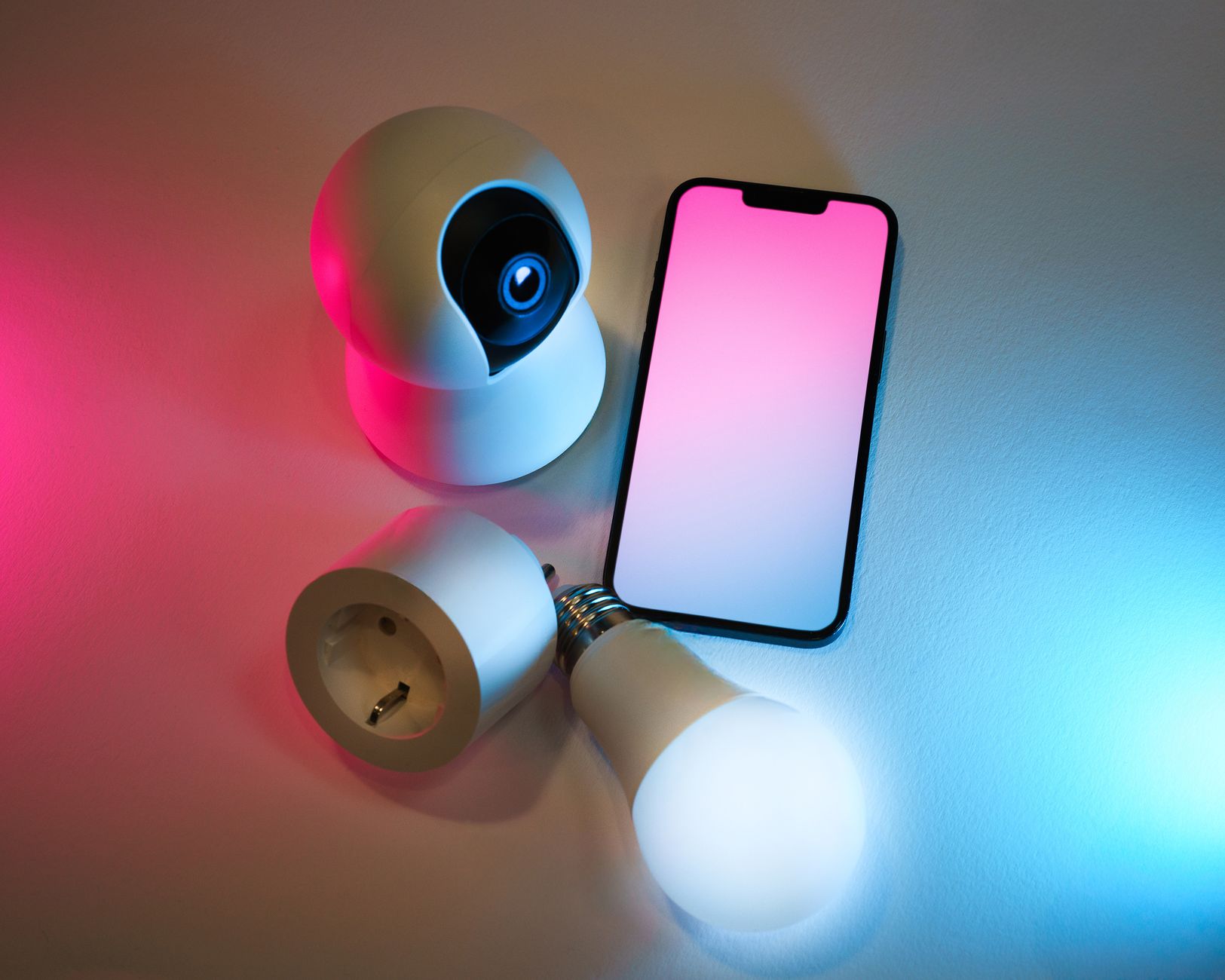
Technology has woven itself into the fabric of our existence. From dawn to dusk, our routines are punctuated by beeps, swipes, and voice commands. What once required effort and time now happens with the touch of a button or the whisper of a command. The evolution of Gadgets has redefined how we live, work, and interact, transforming ordinary life into something profoundly efficient and interconnected.
The Rise of Smart Living
The term smart living is no longer futuristic — it’s the new normal. In today’s world, modern Gadgets are the silent assistants managing our homes, optimizing our schedules, and even monitoring our health. They are not just tools; they are extensions of our intelligence and convenience.
From the moment we wake, smart alarms gently simulate sunrise, easing us into consciousness. Coffee machines brew our preferred blend at a preset time. Even the thermostat adjusts to our morning routine without a single instruction. The integration of artificial intelligence and automation has ushered in a seamless rhythm — life in sync with technology.
Home Automation: Comfort Meets Control
At the heart of smart living lies the connected home. A network of Gadgets collaborates to create an environment tailored to personal preferences. Smart lighting adjusts brightness and hue to match mood or time of day. Intelligent security systems learn our routines, detecting irregular activity and alerting us instantly.
Voice-controlled hubs, such as digital assistants, now serve as the central nervous system of modern households. They link entertainment, climate control, lighting, and appliances under one ecosystem. The result is effortless convenience — a living space that listens, learns, and responds.
But beyond luxury, these Gadgets are fostering sustainability. Smart thermostats and energy-efficient lighting help reduce waste, tracking consumption patterns and offering actionable insights. Living intelligently now means living responsibly.
The Personal Revolution: Wearables and Health
The transformation extends beyond walls and furniture — it lives on our wrists, in our pockets, and even in our clothing. Wearable Gadgets have revolutionized personal health management. Fitness trackers and smartwatches collect data on heart rate, sleep cycles, and physical activity, offering personalized feedback and motivation.
These devices are not merely accessories; they are health companions. They remind users to hydrate, breathe, or move after prolonged inactivity. Some even detect irregular heartbeats or falls, sending alerts to medical professionals or family members. The fusion of healthcare and technology empowers individuals to take charge of their well-being with precision and ease.
Connectivity and Communication
Communication has always been central to human progress, and Gadgets have redefined what it means to stay connected. Smartphones are no longer just tools for calls or messages — they are hubs for managing digital identities, finances, and social presence.
Video conferencing platforms, powered by intelligent hardware, have blurred the boundaries between work and home. A simple device now bridges continents, enabling collaboration and relationships across time zones. The rise of 5G and the Internet of Things (IoT) only amplifies this synergy, allowing Gadgets to communicate with each other in real time.
Even mundane activities, like grocery shopping or paying bills, are now instantaneous. With a few taps or voice commands, transactions are completed securely, reflecting a world where distance and delay are obsolete.
Entertainment and Leisure Reimagined
Modern entertainment is a testament to how deeply Gadgets influence emotion and creativity. Streaming platforms, smart TVs, and wireless speakers have personalized the way people consume media. Algorithms learn our tastes, recommending music, movies, and shows with uncanny accuracy.
Gaming, once confined to consoles, now thrives across handheld devices and augmented reality systems. Immersive technologies blend the digital with the physical, transforming living rooms into playgrounds and theaters. Even reading has evolved — e-readers and tablets have brought entire libraries into the palm of our hands.
Entertainment is no longer passive; it’s adaptive, responsive, and curated to individual preference.
The Future of Work
The professional landscape has also undergone a quiet revolution. Laptops, tablets, and collaborative Gadgets have made remote work not just possible, but productive. Cloud-based tools allow real-time editing and file sharing from anywhere in the world.
Smart desks adjust to posture, ergonomic chairs learn user habits, and noise-canceling headphones create pockets of focus amid chaos. These innovations have turned any location — from a kitchen counter to a café — into an efficient workspace.
Moreover, Gadgets powered by AI are assisting with scheduling, data analysis, and project management, freeing humans from repetitive tasks. The shift is not just technological but philosophical: redefining productivity through comfort and autonomy.
Everyday Efficiency and Time Mastery
Time is the most valuable currency of the modern age. Gadgets help us save it. Smart appliances streamline chores — robotic vacuums clean while we work, and intelligent washing machines notify us when cycles finish.
Navigation apps calculate optimal routes based on real-time traffic. Digital planners synchronize calendars, ensuring no appointment is missed. Even mundane decisions, like meal planning or grocery lists, are now automated through interconnected devices.
In essence, technology gives back what life demands most: time for what truly matters.
Challenges in a Connected World
Yet, the beauty of smart living comes with caution. The more we rely on Gadgets, the greater the need for cybersecurity and digital awareness. Data privacy, device vulnerabilities, and overdependence are concerns that must evolve alongside innovation.
Maintaining balance is crucial. Technology should serve as an enhancer, not a substitute, for human connection and mindfulness. As Gadgets grow more intelligent, the responsibility to use them wisely grows equally.
Conclusion
Smart living is not about owning the latest devices; it’s about integration, efficiency, and empowerment. Modern Gadgets bridge the gap between imagination and reality, redefining comfort and capability. They illuminate the path to a future where life flows effortlessly — guided not by routine, but by innovation.
From homes that think to watches that heal, from communication that transcends distance to entertainment that adapts — the world of Gadgets has made daily life not just easier, but richer. And as technology continues to evolve, so too will our definition of living smart — one device, one innovation, one moment at a time.
