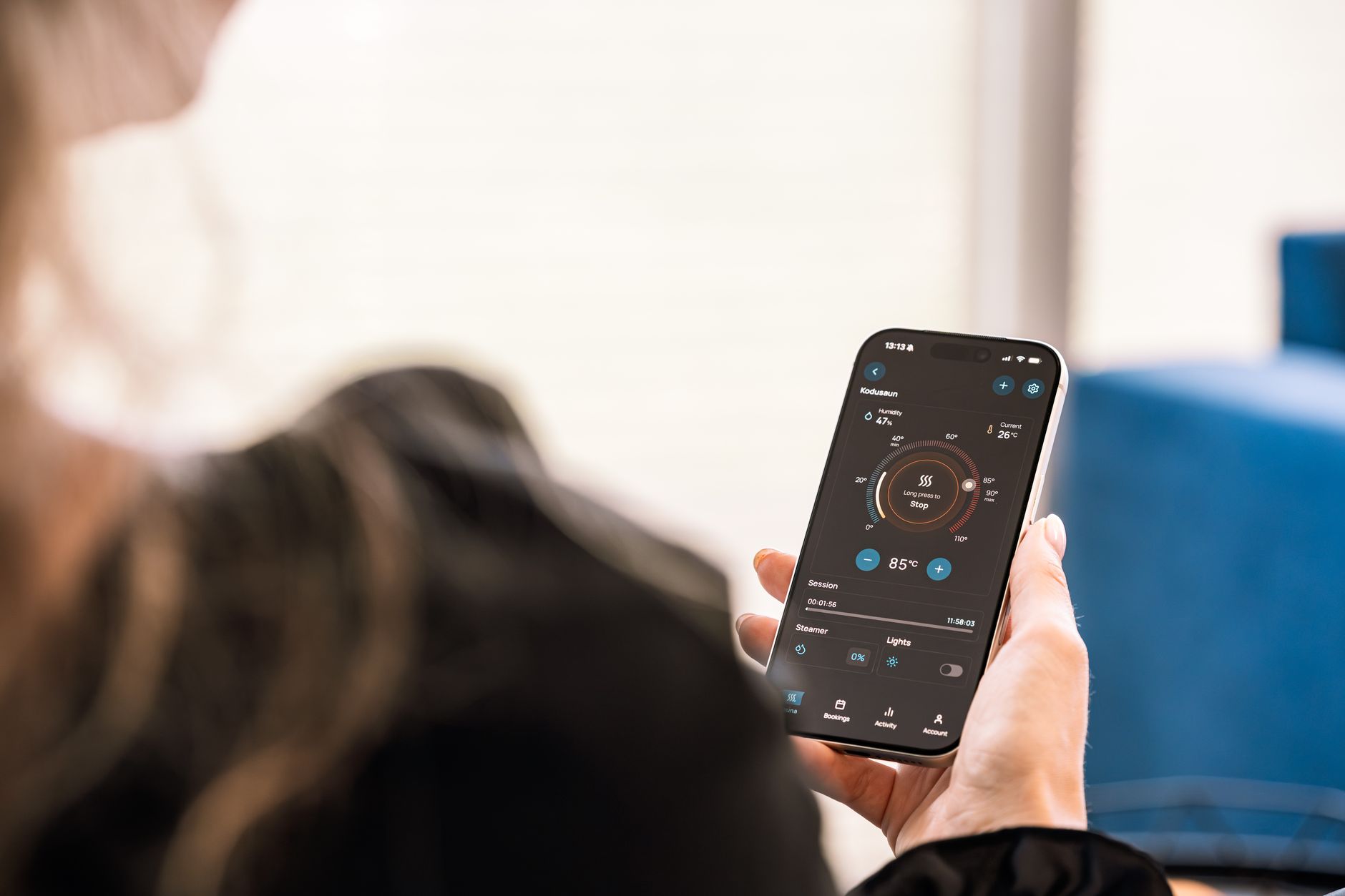
At a midtown gym basement, a health tech journalist tested a new smart scale targeted at GLP-1 users. The Withings BodyFit scale aimed to provide insights into muscle mass, a concern for those on weight-loss medications. The event showed a growing trend: health tech companies adapting tools to align with the expanding GLP-1 medication market, which now affects roughly 12.5% of Americans.
Segmented Data and Uncertain Interpretations
The scale’s segmented body composition readings indicated “normal” muscle mass for the journalist’s age and gender, though total muscle remained below doctor-set targets. Subcutaneous fat levels were high, but visceral fat was low—a finding that raised questions about prioritizing health goals amid chronic fatigue. The data, while detailed, left unanswered questions about actionable steps for someone managing medication side effects.
Related: Step-by-Step Guide to Learning Programming from Scratch
“You could lose muscle mass for any number of reasons,” noted Antoine Pivron, Withings’ vice president of health solutions. “Our scale provides a tool to monitor body composition at home, which may help users focus on protein intake.” However, the journalist questioned whether the scale’s GLP-1-specific framing was misleading, given that muscle loss could stem from factors beyond medication, such as inconsistent training or life events.
A Broader Industry Shift
Withings is not alone in targeting GLP-1 users. Oura, another health tech firm, recently announced features to track GLP-1 dosages and symptoms via AI insights. The journalist, currently on a GLP-1 medication, described the experience as “upending” their life, with side effects ranging from fatigue to digestive issues. They noted that existing health tech often fails to address the needs of chronically unwell users, who must manually track metrics and interpret them for doctors in limited appointment windows.
Related: The Future Is Now: Top Technology News You Shouldn’t Miss
“Most wearables operate from an aggregated viewpoint,” the journalist wrote. “They serve a ‘normal’ user. For those who are not, the experience is frustrating. Personalized health tech is supposed to help, but it’s not yet fully aligned with what’s available.” They expressed cautious optimism about Oura’s GLP-1 feature, which could help users track dosages and symptoms, but noted that even well-intentioned tools require significant user effort to be useful.
Challenges of Framing and Implementation
The journalist acknowledged that both Withings and Oura have “good intent” with their GLP-1 features. However, they emphasized that the framing matters. Oura’s approach, which provides specific tools for tracking medication and symptoms, felt more tailored to their needs than Withings’ broader scale, which they already used for similar purposes. “The real ‘benefit’ I get,” they wrote, “is a more detailed look at my body composition.”
Related: Beyond Imagination: The Most Innovative Gadgets of 2025
Despite these nuances, the journalist warned of a potential oversaturation of GLP-1-focused products. “Here’s hoping at least some make handling treatment less complicated,” they concluded, noting that the trend is likely to accelerate as more Americans use GLP-1 medications. For now, the BodyFit scale remains a tool with potential—but one that leaves users grappling with the same challenges of interpreting health data in the context of complex, individualized experiences.
