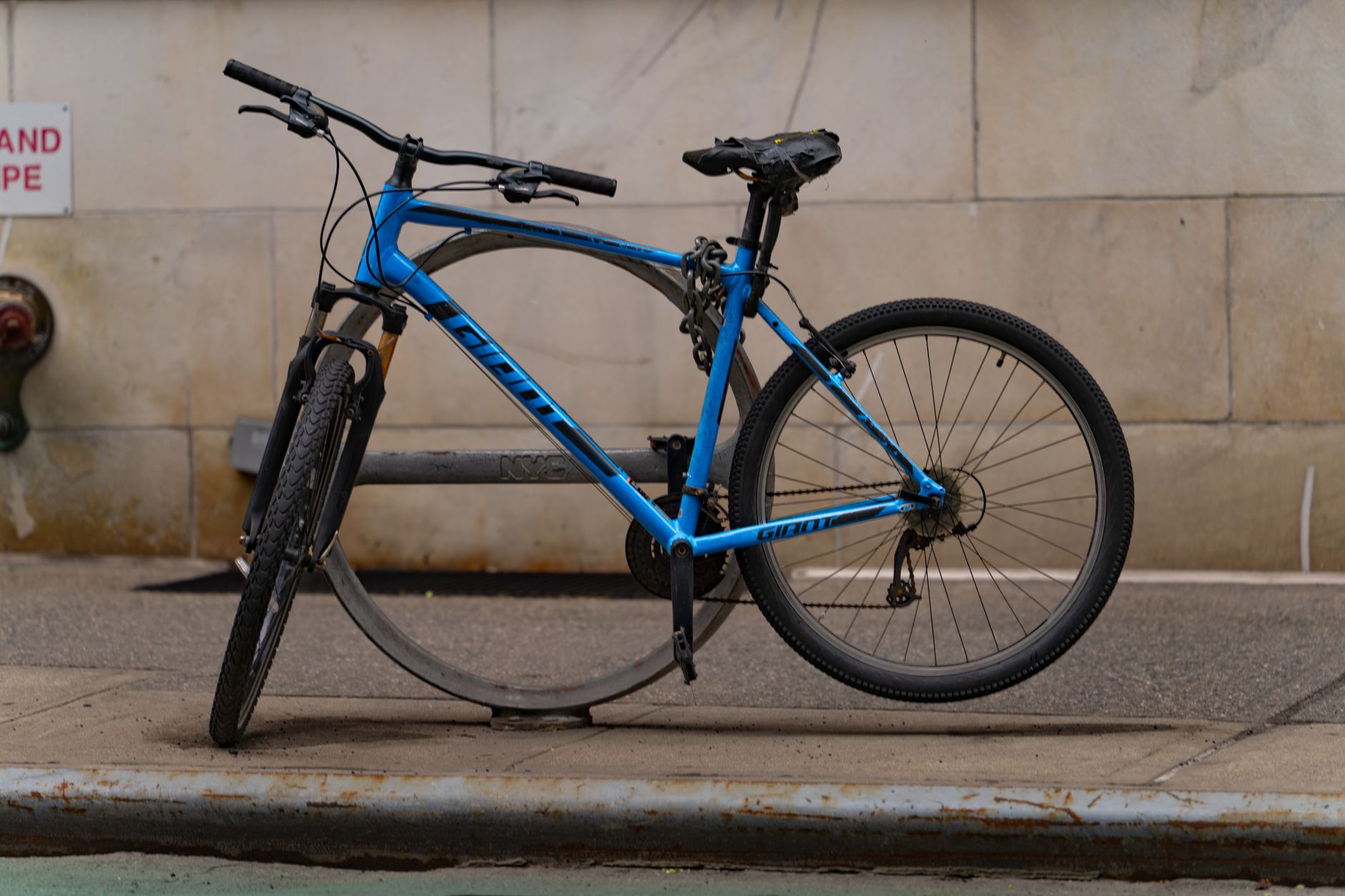
A Dutch company that previously secured ATMs with keyless systems has introduced a $280 bike lock designed for urban cyclists who prefer not to carry keys.
The TMD Chain Lock integrates Bluetooth proximity sensing, a motion alarm, and a reinforced steel core wrapped in Dyneema and Kevlar fibers. It meets the ART-2 certification, a requirement for insuring high-value e-bikes and cargo bikes in the Netherlands. Owners can also share access through a mobile app, allowing friends or family to unlock the bike without physical keys.
However, the system has vulnerabilities: if a phone is stolen, the bike becomes accessible, and if parked too close to the owner—such as outside a café—anyone could unlock it.
Related: Prime Day deals on keyboards, mice, and peripherals
Charging uses a proprietary magnetic pin connector instead of USB-C. If the battery dies, a four-digit emergency code can be entered by tapping the button. The app also lets owners grant temporary access to others, who can unlock the bike using their own phones.
The lock has an IP57 rating for water and dust resistance.
TMD’s expertise in banking security shaped the lock’s digital key system. The company believes this approach suits cities like Amsterdam, where cyclists frequently lock and unlock bikes throughout the day. The system aims to simplify daily routines, whether commuting, running errands, or transporting children.
Yet the price remains a hurdle. At €249, the TMD Chain Lock costs about four times more than a similar ART-2-certified lock, such as the ABUS 8900, which retails for around €60. Future releases, including a U-lock and a GPS-equipped ring lock, may improve the system’s appeal if they work with the same app.
Related: Top seven storylines from Summer Game Fest 2026
For most cyclists, the lock’s main advantage—keyless access—may not justify the expense. Those who value digital sharing or dislike keys might consider it worthwhile. Others will likely choose a more affordable option, like discounted security gear during sales events.
The lock’s design reflects its security roots.
Its high cost could limit adoption, despite its features.
