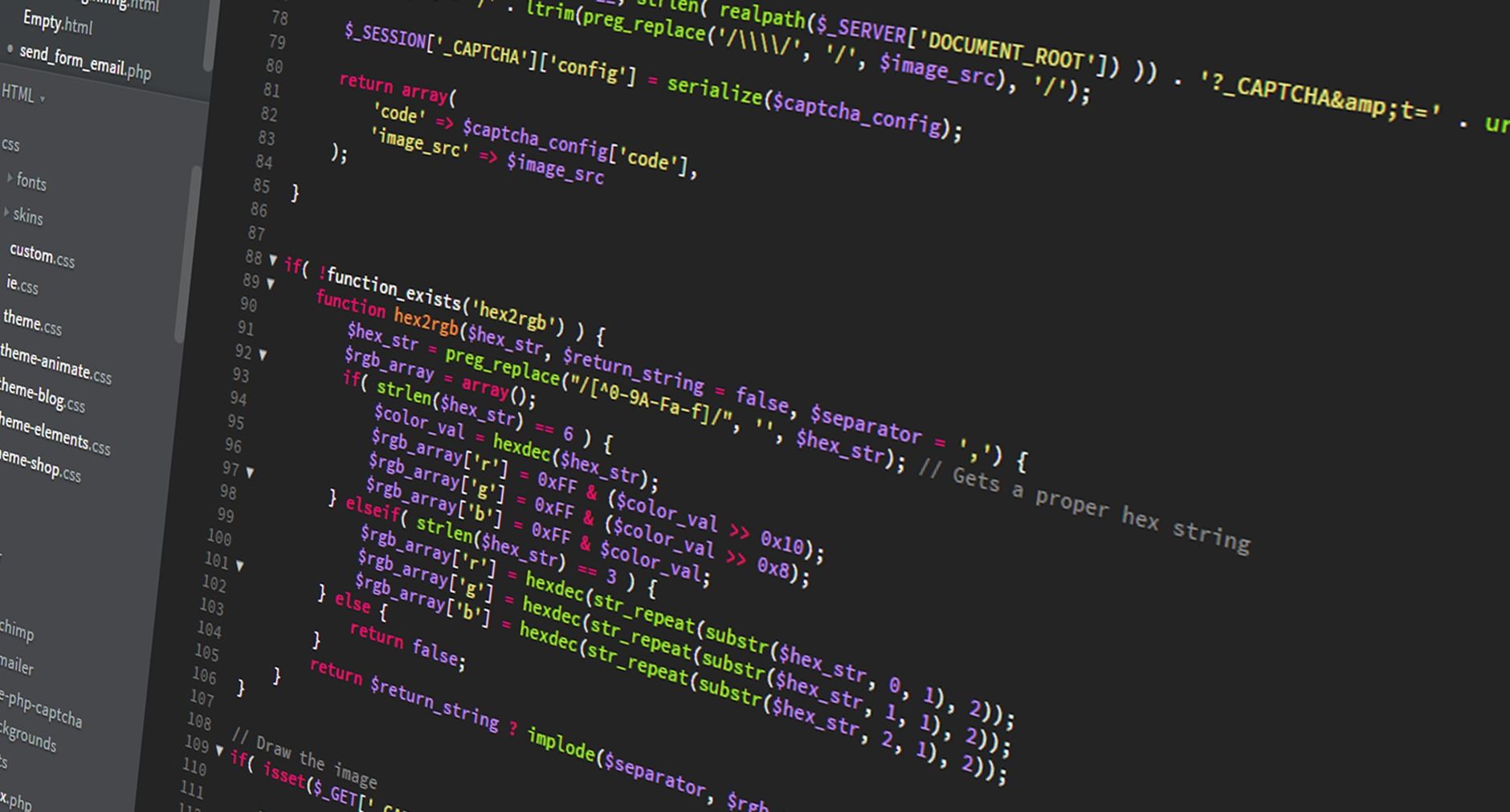
In today’s digital era, understanding the basics of Programming is an invaluable skill. From automating simple tasks to building complex applications, Programming empowers individuals to transform ideas into functional, interactive experiences. While the world of code may seem intimidating at first, the journey of writing your first lines is both enlightening and creatively satisfying.
Understanding the Fundamentals
At its core, Programming is the art of instructing a computer to perform tasks. Every application, website, and software begins with a series of logical instructions. These instructions, written in a Programming language, tell machines exactly what to do, step by step.
Begin by familiarizing yourself with basic concepts: variables, data types, functions, and loops. Variables act as containers for information, while data types define the nature of the information—numbers, text, or even boolean values. Functions group reusable blocks of code, making tasks more manageable and organized. Loops, on the other hand, allow repeated execution, eliminating redundancy and enhancing efficiency.
Choosing Your First Programming Language
Selecting the right language is crucial for beginners. Python is widely recommended due to its simplicity and readability. Its syntax closely resembles natural language, reducing cognitive load while learning. Other beginner-friendly languages include JavaScript, ideal for web development, and Scratch, which uses visual blocks to teach foundational concepts.
Regardless of the language, the principles of Programming remain consistent. Mastering one language provides a foundation to explore others with ease. The focus should be on understanding logic and problem-solving rather than memorizing syntax.
Setting Up Your Environment
Before writing your first line of code, you need an environment that allows you to compile and execute programs. Integrated Development Environments (IDEs) like Visual Studio Code, PyCharm, or even online platforms such as Replit provide everything you need—syntax highlighting, debugging tools, and instant feedback.
A well-organized environment streamlines the learning process. Avoid distractions and ensure your setup is comfortable, as this encourages longer, more focused coding sessions.
Writing Your First Code
Begin with the simplest program: printing text on the screen. In Python, for instance, the line:
print("Hello, world!")
introduces the concept of functions and output. This small step demonstrates a profound truth: Programming is about interaction. The computer reads your instructions literally, emphasizing the importance of precise syntax and logical clarity.
Once comfortable, experiment with variables:
name = "Alex"
print("Hello, " + name + "!")
This illustrates how Programming can store and manipulate data, laying the groundwork for more advanced concepts.
Embracing Logic and Problem Solving
Programming is not just typing commands—it is fundamentally about problem-solving. Beginners should start thinking algorithmically. Break down tasks into discrete steps, analyze potential edge cases, and predict outcomes. This mindset transforms errors from frustrating obstacles into educational opportunities.
Consider writing a program to calculate the average of three numbers. Before coding, outline the logic:
- Take three inputs.
- Convert inputs to numbers.
- Sum the numbers.
- Divide by three.
- Display the result.
Following this structured approach ensures clarity and builds confidence in tackling increasingly complex problems.
Understanding Loops and Conditions
Loops and conditional statements are pivotal in Programming. Loops allow repetitive execution without redundancy, while conditions enable decision-making.
For instance:
for i in range(1, 6):
    if i % 2 == 0:
        print(i, "is even")
    else:
        print(i, "is odd")
This snippet demonstrates iteration combined with conditional logic, a foundational pattern in almost every Programming project.
Debugging: The Path to Mastery
Errors are an inevitable part of learning Programming. Debugging—the process of identifying and fixing mistakes—teaches attention to detail and patience. Syntax errors, runtime errors, and logical errors each present unique learning opportunities.
Keep a systematic approach: read error messages carefully, test small sections of code, and isolate problems. Over time, debugging not only improves your code but sharpens analytical thinking—a skill as valuable as writing code itself.
Building Simple Projects
Once comfortable with basics, create small projects. Examples include a calculator, a simple game, or a to-do list application. These exercises consolidate knowledge, illustrate practical applications, and offer a tangible sense of achievement.
Even modest projects enhance understanding of Programming structures and reinforce concepts like loops, conditionals, and functions in context. Projects bridge the gap between theory and practice, cultivating both skill and confidence.
Embracing Community and Resources
Learning Programming is accelerated by engagement with the community. Forums like Stack Overflow, GitHub, and Reddit provide guidance, code snippets, and mentorship. Online tutorials and courses supplement self-study, offering structured paths and immediate feedback.
Collaborating with others fosters creativity, exposes you to diverse solutions, and instills a habit of continual learning—critical in a field that evolves rapidly.
The Journey Ahead
Programming is a lifelong journey of exploration and problem-solving. Each line of code written expands your ability to innovate and understand technology. Early challenges become stepping stones, and small successes build momentum.
By mastering the fundamentals, experimenting with projects, and embracing problem-solving, beginners transform into proficient programmers. The world of Programming is vast, but the first step—writing your first line of code—is always the most exhilarating.
Conclusion
Starting in Programming may feel daunting, yet the rewards are substantial. Through understanding variables, loops, functions, and logic, beginners can craft their first programs and gradually tackle more complex challenges. Each project, each error debugged, each problem solved adds to a growing repository of skill and knowledge.
Ultimately, Programming empowers individuals to convert ideas into tangible digital solutions. It cultivates analytical thinking, precision, and creativity, laying the foundation for a career or hobby that continuously evolves. With persistence and curiosity, anyone can navigate the intricate yet rewarding world of code, one line at a time.
